

UNSW biomedical researchers awarded $16m Snow Medical fellowships
2026-03-31T11:30:00+11:00

Postdoctoral research fellow Annalise Spek and Dr Deborah Burnett will work to identify novel therapies and further understand common drivers of autoimmunity.
Photo: Anh Nguyen


Dr Deborah Burnett is working to improve vaccine safety, while Dr Ira Deveson uses new genomic technologies to better diagnose genetic diseases.
Two UNSW Sydney researchers have been announced as recipients of the Snow Medical Research Foundation’s coveted fellowships, each worth $8 million.
Dr Deborah Burnett from UNSW Medicine & Health will use her fellowship to develop more effective vaccines to prevent infections that can trigger autoimmune diseases. UNSW Conjoint Lecturer Dr Ira Deveson from the Garvan Institute of Medical Research will focus on improving genomic sequencing technologies to better understand human genetic diversity.
Only three Snow Medical Fellowships were awarded this year, each worth $8 million over eight years. The funding enables scientists to pursue ambitious, long-term research and tackle complex challenges that are often difficult to support through traditional grants.
Chair of Snow Medical Research Foundation, Tom Snow, said the fellowships reflected the Snow family’s commitment to backing bold scientific ideas and supporting researchers prepared to push the boundaries of discovery.
“Our family believes some of the most important breakthroughs in science happen when talented researchers are given the confidence to pursue ambitious ideas over the long term,” Mr Snow said.
“These fellowships are designed to remove some of the constraints researchers often face, giving them the freedom, time and resources to take risks and explore ambitious questions that could fundamentally change how we understand and treat disease.”
UNSW Vice-Chancellor and President Professor Attila Brungs said the prestigious fellowships reflected the strength of UNSW’s research in tackling major health challenges.
“Congratulations to Dr Burnett and Dr Deveson on this outstanding achievement,” he said.
“From developing safer vaccines to advancing genomic technologies, their work addresses some of the most significant challenges in human health.
“I commend the Snow Medical Research Foundation for their generosity and dedication to advancing the future of medicine and accelerating the potential of this research.”
Better protection for autoimmune disorders

Dr Burnett’s research focuses on enhancing vaccine efficacy against infection, particularly those linked to autoimmune disease. Many of these conditions disproportionally affect disadvantaged communities or First Nations communities, such as rheumatic heart disease and hepatitis C vasculitis.
Despite these diseases being prioritised by the World Health Organization (WHO) for vaccine development, progress has been hampered by fears that vaccines may have unintended consequences and potentially induce the autoimmune disorders they aim to prevent.
With the Snow Fellowship, Dr Burnett and her team will develop models to explore how immune cells that target our own tissues can be safely used in vaccine responses to prevent infection-associated autoimmunity. Her research aims to identify novel therapies and further understand common drivers of autoimmunity.
“The Snow Fellowship will be transformative for my research program, giving me the freedom to pursue ambitious long-term studies,” she said. “It will enable my team to develop new approaches to safer, more effective vaccines and therapies for infections that can trigger autoimmune disease, helping better protect vulnerable communities.
“I’m incredibly thankful to the Snow Medical Foundation for their support of our work. Their extraordinary generosity gives us the best chance to turn research into life-changing medical breakthroughs.”
Unravelling the complex genetic diversity of Australia’s Indigenous populations

As one of Australia’s leading experts in long-read sequencing - a new technology allowing more complete sequencing of the human genome - Dr Deveson is at the forefront of clinical genetics. With the support of the 2026 Snow Fellowship, he will optimise new methods to help decode challenging and highly repetitive genetic regions, which may account for up to 50% of the genome.
Dr Deveson and his team will also shed light on the unique and complex genetic diversity of Australia’s Indigenous populations. He will work alongside the National Centre for Indigenous Genomics, engaging with First Nations communities on the project.
Largely unexplored thus far, these efforts will help develop more inclusive genetic resources. The research program will also improve diagnosis, understanding and treatment of rare inherited disorders and gastro-oesophageal cancer.
“I’m thrilled and humbled to be awarded a Snow Fellowship,” Dr Deveson said. “It is a wonderful recognition for my team and will allow us to expand our research to a major national program, partnering with Indigenous communities around the country to build equitable genomics resources.
“The fellowship is a true gamechanger that will accelerate the delivery of genomic medicine.”
Professor Cheryl Jones, Dean of UNSW Medicine & Health, congratulated the two academics on receiving the coveted fellowships.
“This is a powerful endorsement of their research, which has already significantly improved our understanding of vaccine efficacy and genetic conditions,” Prof. Jones said. “This funding will give Deborah and Ira the time and security to test ideas which could help many people diagnosed with complex health conditions and lead to significant breakthroughs.”
I’m incredibly thankful to the Snow Medical Foundation for their support of our work. Their extraordinary generosity gives us the best chance to turn research into life-changing medical breakthroughs.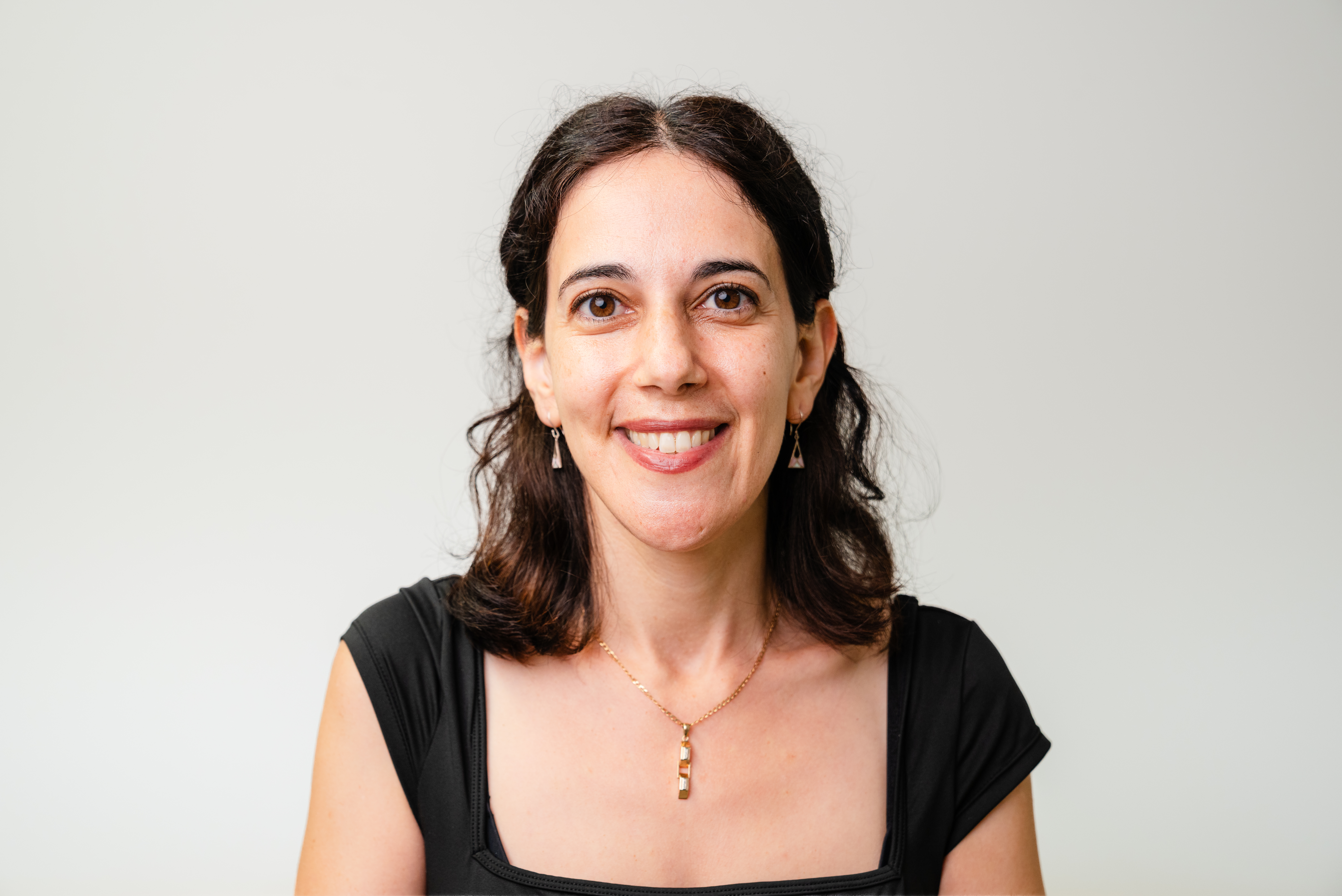




Media enquiries
For enquiries about this story, please contact Larissa Baoicchi.
Tel: +61 452 229 349
Email: l.baiocchi@unsw.edu.au